Nepal, experiencd your way
Nepal can be a high-altitude trek, a quiet morning in a temple courtyard, a family journey between Kathmandu and Pokhara, or time spent exploring forests and wildlife in the lowlands. The country’s landscapes change dramatically over short distances, and so do the pace, comfort and preparation required for each journey.
Nepal Holidays Advisor begins with the traveller rather than a fixed template. Tell us what draws you here, how active you want to be, how much time you have and what kind of accommodation feels right. We can then shape trekking, culture, nature and practical travel arrangements into one coherent itinerary.
Trekking at the heart of Nepal
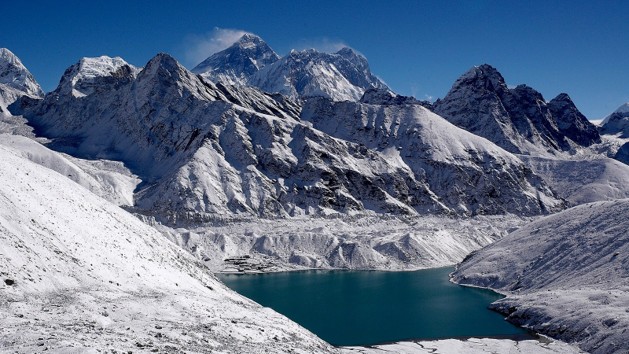
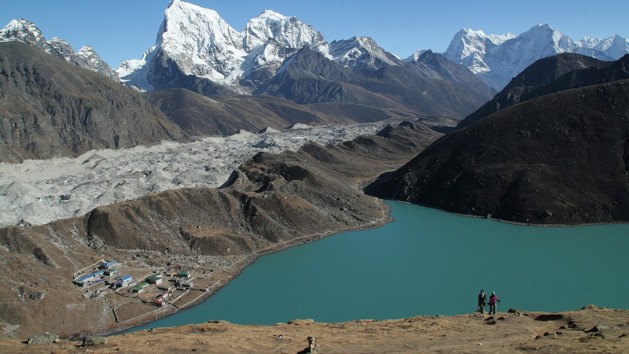
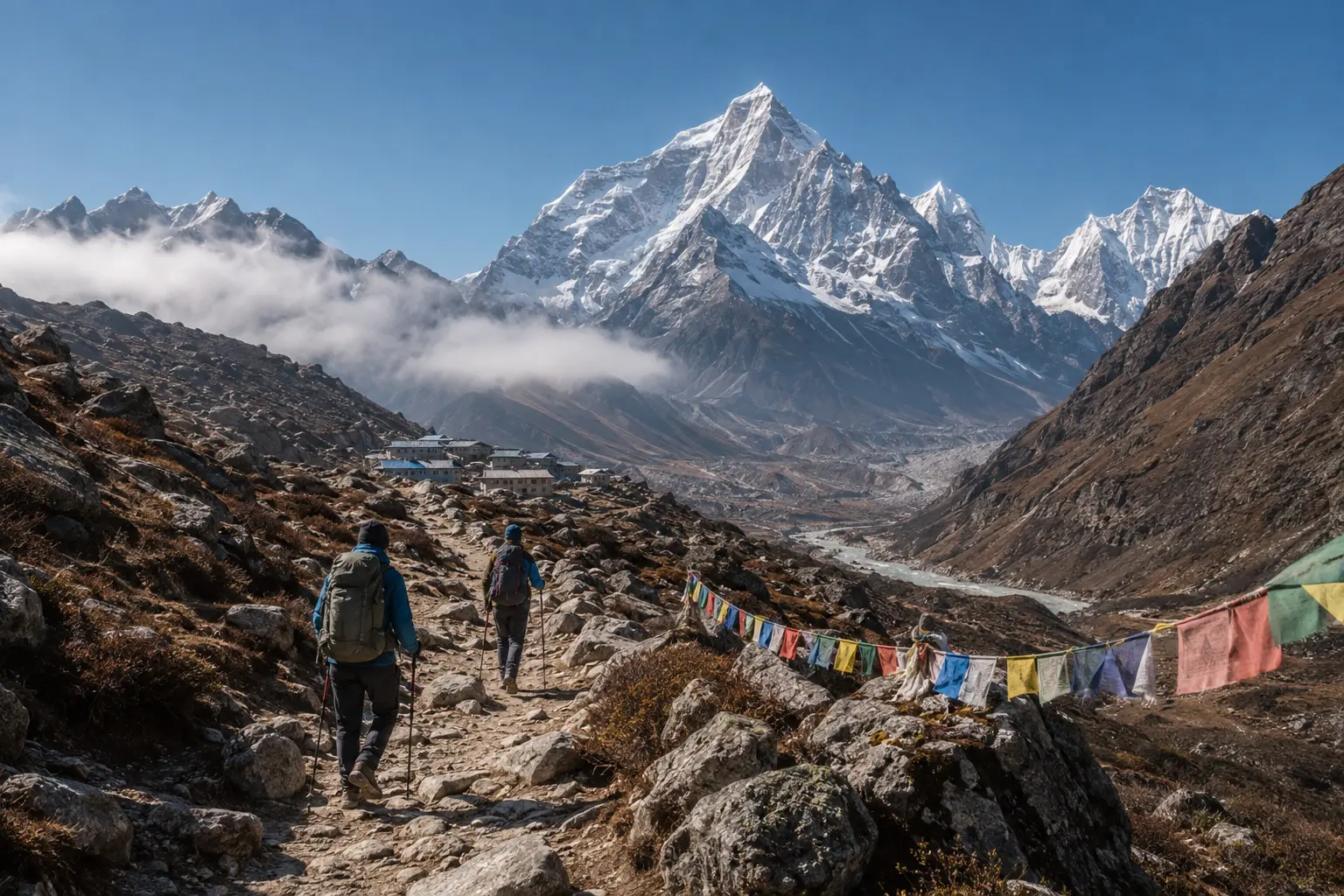
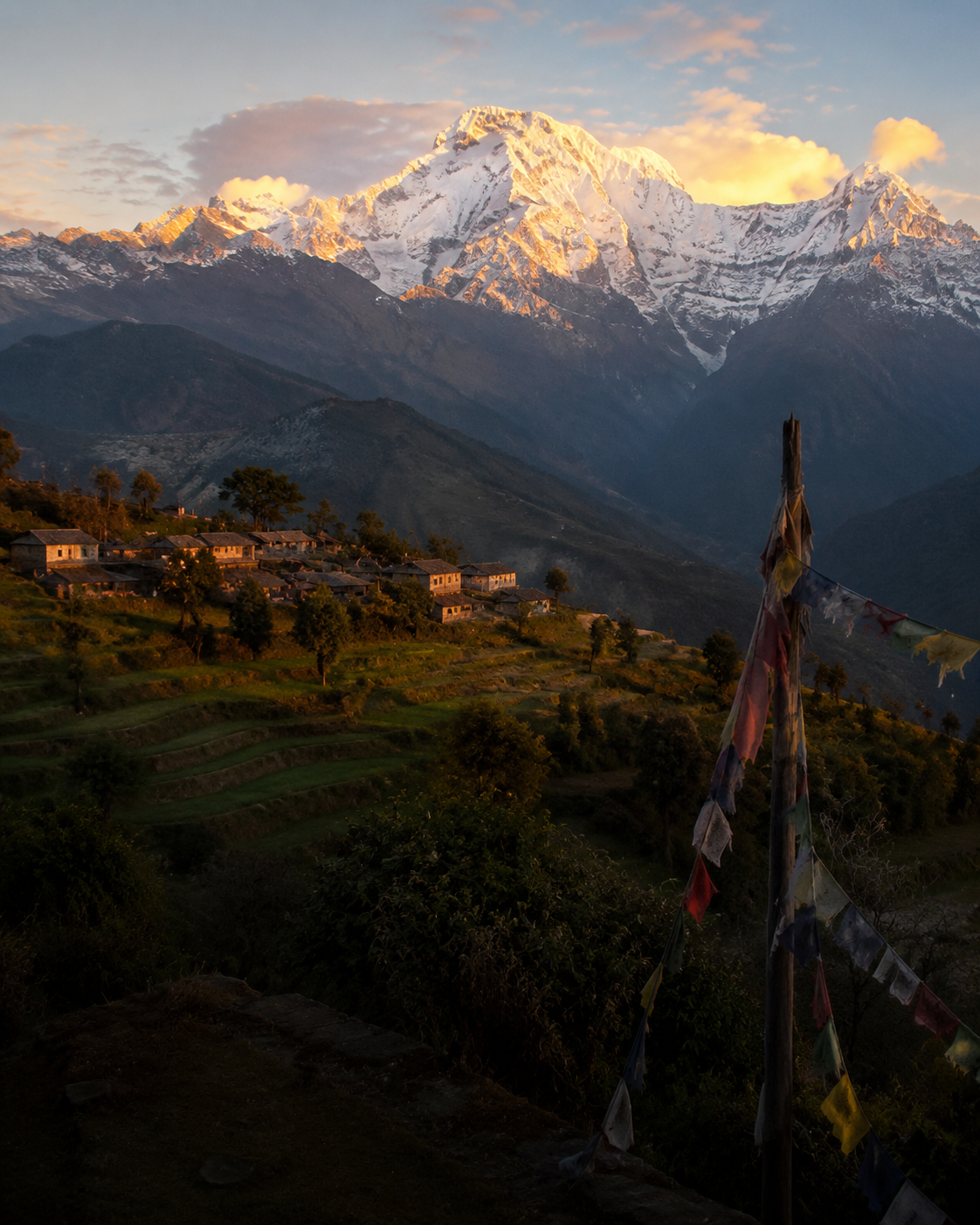
The Himalayas remain the face of our work. Nepal offers routes ranging from gentle foothill walks to demanding high-altitude journeys. Everest, Annapurna, Langtang, Manaslu and Mustang each have a distinct landscape, culture and logistical character.
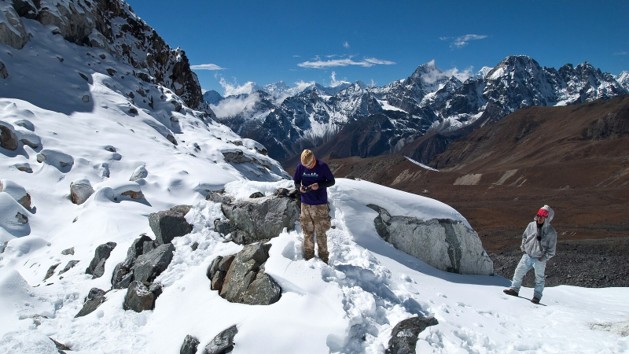
A good trek is not simply a list of landmarks. Route choice, gradual ascent, rest, weather, trail conditions and honest preparation all matter. We help match the journey to your experience, fitness, available time and preferred pace. High-altitude itineraries should always remain flexible enough to respond to individual wellbeing and conditions on the ground.
Culture, cities and living heritage
Nepal’s story also unfolds through the Kathmandu Valley’s historic cities, Buddhist stupas, Hindu temples, old courtyards, craft traditions and everyday neighbourhoods. Pokhara combines lakeside time with access to the Annapurna foothills, while Lumbini carries international significance as the birthplace of the Buddha.
Cultural travel should create space to observe and listen. Visits to sacred places, communities and homes require appropriate behaviour, permission and sensitivity. We design these experiences as part of the journey—not as hurried stops between photographs.
Wildlife, family and educational journeys
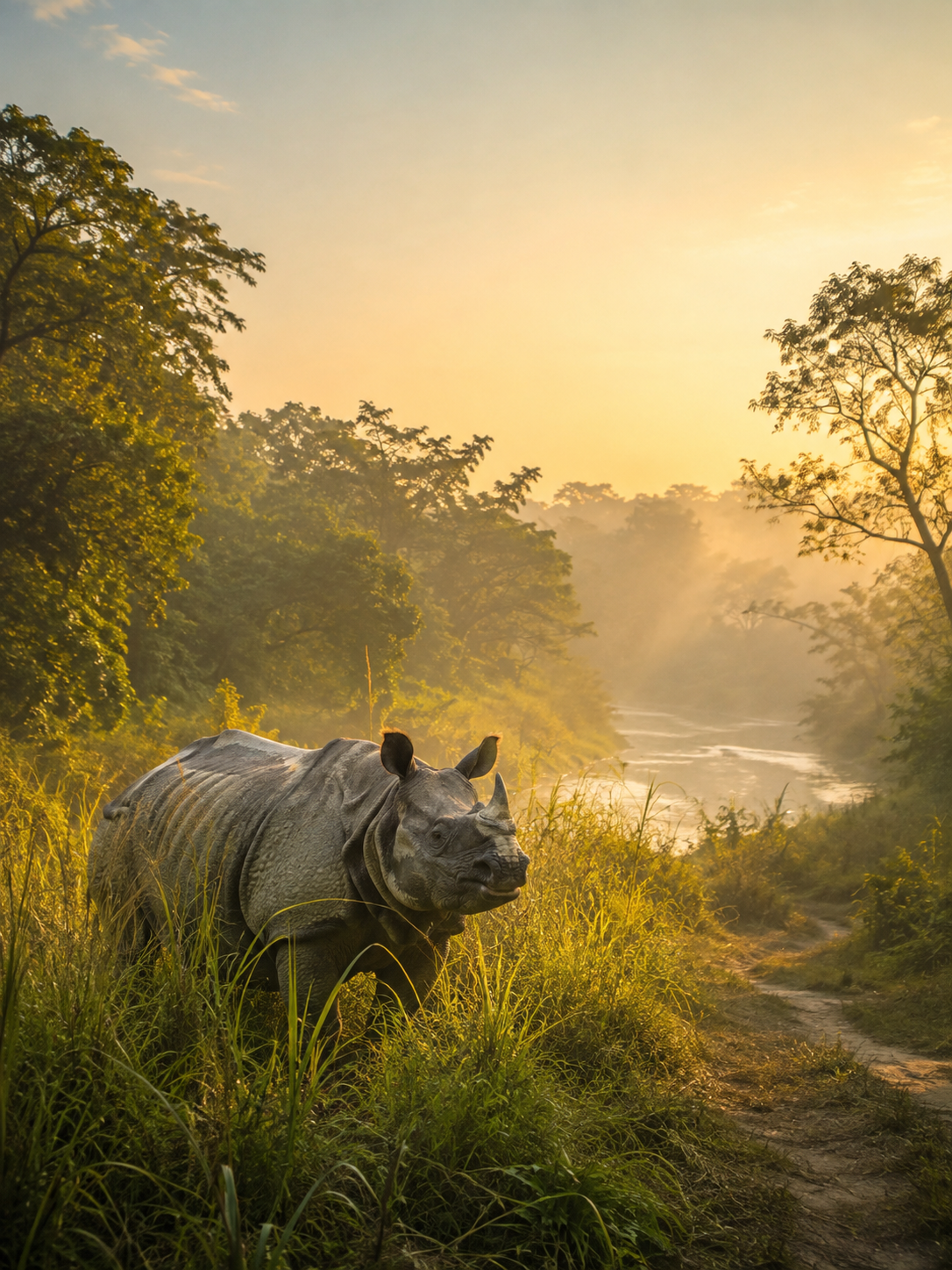
Beyond the mountains, Nepal’s southern plains and protected landscapes offer forests, rivers, birdlife and wildlife experiences. Softer-paced private journeys can combine nature, heritage and shorter walks for families or travellers who do not want a long trek.
We also develop programmes for schools, colleges, universities and research groups. These begin with the institution’s learning goals, participant profile, faculty responsibilities and logistical requirements. Architecture, culture, geography, environment and community studies can be considered, subject to appropriate permissions and review.
When to travel
Spring and autumn are widely favoured for trekking, but Nepal is not a one-season destination. Winter can work well for cultural journeys and selected lower routes, while the monsoon brings greener landscapes and different conditions. Mustang and some trans-Himalayan areas have their own seasonal character.
The right month depends on where you are going, the altitude, the activity and your tolerance for heat, cold, rain or busier trails. We will discuss current conditions and route suitability while preparing your itinerary.
Practical planning
Entry rules, trekking documentation, local access requirements, domestic flights and road conditions can change. Check current immigration requirements before travel and confirm route-specific permits and transport arrangements before finalising international flights.
Travel insurance should be suitable for the activities and maximum altitude in your confirmed itinerary. It should also address medical treatment, evacuation and disruption according to the policy terms. Insurance approval and rescue availability can never be assumed.
Plan your Nepal journey
You may already know the trek you want, or you may only know that Nepal feels like the right place to go. Share your dates, group, interests and preferred pace. Nepal Holidays Advisor will prepare a personal itinerary and quotation that clearly explains the proposed route, services, inclusions and exclusions.
Places and highlights
- Kathmandu Valley — historic cities, sacred sites, architecture and living neighbourhoods
- Everest region — Sherpa settlements, high mountain trails and Sagarmatha National Park
- Annapurna region — varied landscapes, village routes and classic Himalayan treks
- Pokhara — lakeside time, mountain views and a gateway to the Annapurna region
- Chitwan and the lowlands — forests, wildlife experiences and a different side of Nepal
- Langtang region — accessible Himalayan valleys, forests and Tamang cultural landscapes
- Mustang — high-desert scenery, old settlements and Tibetan Buddhist heritage
- Lumbini — the birthplace of the Buddha and an important pilgrimage landscape
Entry and travel preparation
Entry requirements depend on nationality and travel circumstances. Many visitors can apply for a tourist visa on arrival or through a Nepali diplomatic mission, but every traveller should confirm current rules with Nepal’s Department of Immigration before departure.